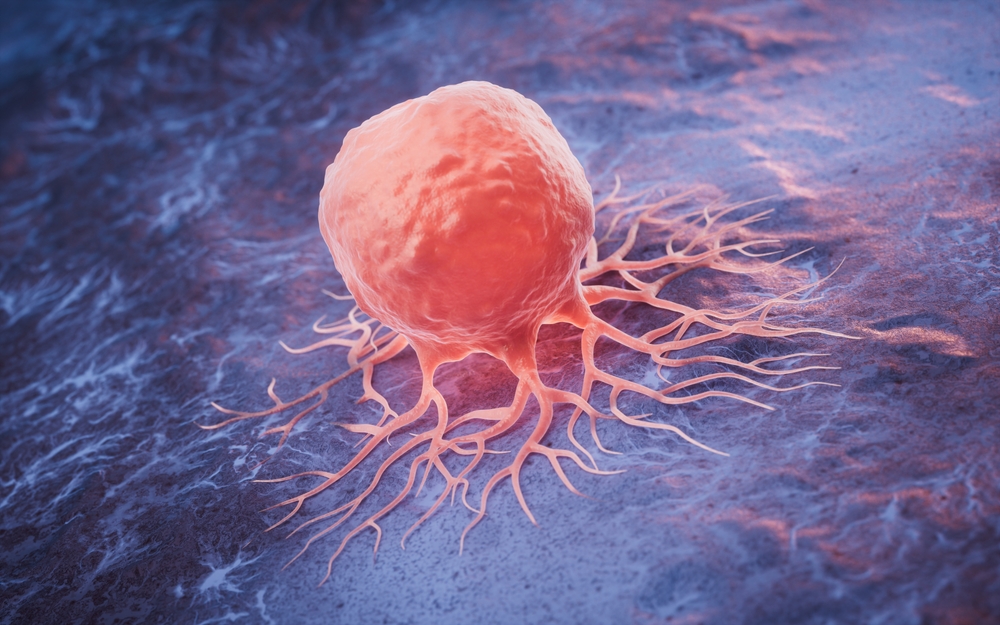
Cancer encompasses a broad range of diseases characterized by the unchecked proliferation of abnormal cells, which can form masses or tumors, invade adjacent tissues, and metastasize to distant sites within the body. These diseases are classified into various types, typically named according to the affected organ or the originating cell type, such as carcinomas, sarcomas, leukemias, and lymphomas. Treatment strategies are tailored to the specific cancer type and its progression stage, often involving surgical removal, radiation therapy, chemotherapy, targeted therapies, immunotherapy, or a combination of these approaches to improve patient outcomes.
What is Cancer?
- Abnormal Cell Growth – Cancer originates when cells in the body begin to grow and divide uncontrollably, often due to mutations or alterations in their DNA that disrupt normal regulatory mechanisms, leading to abnormal cell proliferation.
- Tumors – Tumors are irregular clusters of cells that proliferate excessively, resulting in new tissue masses that can be benign or malignant, depending on their growth behavior and potential to invade surrounding tissues.
- Benign v/s Malignant Malignant cancer cells are abnormal cells
characterized by uncontrolled growth and the ability to invade surrounding tissues
and metastasize to distant parts of the body, disrupting normal bodily functions.
Unlike benign cells, which remain localized, malignant cells exhibit genetic
mutations that enable them to evade the immune system, sustain their own growth
signals, and resist programmed cell death (apoptosis), making them particularly
aggressive and challenging to treat. Their rapid and unchecked proliferation often
leads to tumor formation, tissue destruction, and the potential spread of cancer
throughout the body, posing significant health risks.
Benign cancer cells are a misnomer because cancer cells, by definition, are malignant; however, the term "benign" refers to cells that are abnormal in shape or growth pattern but do not invade nearby tissues or spread to other parts of the body. These cells typically form localized tumors that grow slowly, are well-differentiated (resembling normal cells), and pose less risk of metastasis or life-threatening complications. Unlike malignant cancer cells, benign cells are usually encapsulated, making surgical removal more straightforward, and they tend to maintain normal functions or grow in a controlled manner, which is why they are often considered less dangerous but still require monitoring or treatment if they cause symptoms or aesthetic concerns.
Types of Cancer
- Cancer can originate in virtually any tissue or organ within the body and is typically classified based on its primary location, for example, breast carcinoma or pulmonary neoplasm, reflecting its site of origin.
- Cancers are classified based on the specific type of cell from which they
originate, such as
- Carcinomas arising from epithelial cells lining organs and surfaces,
- Sarcomas developing from connective tissues like bones and muscles,
- Leukemias originating in blood-forming tissues,
- Lymphomas in lymphatic tissues, and melanomas that start in pigment-producing melanocytes, providing a structured way to understand their behaviour and guide treatment strategies.
Causes of Cancer
Cancer development is frequently associated with genetic mutations and environmental influences. Exposure to specific chemicals found in household products, industrial settings, and pollution sources can elevate the likelihood of developing cancer. These carcinogens may damage DNA, leading to mutations that disrupt normal cell growth and division. Factors like tobacco smoke, asbestos, pesticides, and certain dyes are known to be linked to various cancers. While genetic predisposition plays a role, environmental exposures significantly contribute to cancer risk, emphasizing the importance of minimizing contact with potentially harmful substances in daily life and workplace environments to reduce the incidence of this disease.
Symptoms of Cancer
Cancer symptoms can differ based on the tumor's type and location, but certain signs may serve as early indicators, such as a persistent lump or swelling that doesn't resolve, unusual bleeding or bruising that occurs without injury, ongoing unexplained fatigue that impacts daily activities, and unexplained weight loss that happens despite no changes in diet or activity levels. These symptoms should not be ignored, as early detection can significantly improve treatment outcomes. It's important to consult a healthcare professional if any of these signs persist or worsen, as they could signify underlying malignancies or other health issues requiring prompt evaluation and intervention.
Treatment of Cancer
Cancer treatment plans are tailored to each patient based on the specific type and advancement stage of the disease, often involving a multidisciplinary approach. Surgical intervention aims to excise the tumor physically, providing immediate removal of cancerous tissue. Radiation therapy employs focused high-energy radiation to target and eradicate malignant cells while sparing surrounding healthy tissue. Chemotherapy involves systemic administration of potent drugs that circulate throughout the body to destroy cancer cells. Additionally, targeted therapies like hormone therapy, immunotherapy, and stem cell transplantation are integrated to address particular cancer subtypes or improve overall outcomes, emphasizing personalized medicine’s role in optimizing treatment efficacy and minimizing side effects.
Lung Cancer
Lung cancer, a leading cause of cancer-related deaths worldwide, originates in the tissues of the lungs, often linked to smoking, environmental toxins, or genetic factors. It manifests through symptoms like persistent cough, chest pain, and shortness of breath. Early detection by a Lung cancer doctor in Rajahmundry via imaging and biopsy is crucial for effective treatment, which may include surgery, radiation, or chemotherapy. Preventative measures focus on smoking cessation and reducing exposure to carcinogens to lower risk.
Breast Cancer
Breast cancer is a malignant tumor that originates in the cells of the breast tissue, often presenting as a lump or change in breast appearance. It is among the most prevalent cancers impacting women globally, though it can also occur in men. Early diagnosis via screening methods such as mammograms greatly improves the chances of successful treatment. Consulting a Breast cancer specialist in Tenali ensures access to specialized care and advanced treatment options. Factors such as genetics, lifestyle, and environmental influences can contribute to risk, emphasizing the importance of awareness and regular medical check-ups for prevention and early intervention. Treatment varies based on the tumor’s size, stage, and patient health, including surgery, radiation therapy, chemotherapy, hormone therapy, targeted therapy, and immunotherapy. Surgical removal can range from lumpectomy to mastectomy, often followed by radiation to eliminate remaining cells. Systemic treatments like chemotherapy and hormone therapy help attack cancer from within, while targeted and immunotherapies focus on specific cancer markers, offering personalized approaches to improve outcomes and reduce recurrence.
Cervical cancer
Cervical cancer originates in the cells lining the cervix, primarily caused by persistent infection with high-risk human papillomavirus (HPV) types. It often develops slowly, initially presenting as precancerous changes detectable through Pap smears and HPV testing. According to a leading Cervical cancer surgeon in Rajahmundry, factors that increase risk encompass having numerous sexual partners, tobacco use, and a compromised immune system. Early detection through screening and HPV vaccination significantly reduces incidence and mortality, emphasizing the importance of awareness and preventive healthcare in combating this preventable disease.
Stomach cancer
Stomach cancer, also known as gastric cancer, is a malignant tumor originating from the lining of the stomach. Often asymptomatic in early stages, it can cause symptoms like indigestion, weight loss, and abdominal pain as it progresses. Factors that increase risk encompass infection with H. pylori, tobacco use, and a diet rich in salted or smoked items. Early detection is crucial for effective treatment, which may involve surgery by a Stomach cancer surgeon in Kakinada, chemotherapy, or targeted therapies, improving patient outcomes.
Brain cancer
Brain cancer, a malignant growth within the brain tissue, poses significant health challenges due to its complex location and aggressive nature. It can originate from glial cells (gliomas) or metastasize from other body parts. Symptoms often include headaches, seizures, and cognitive disturbances. Advances in medical imaging and targeted therapies have improved diagnosis and prognosis, yet brain cancer remains a formidable foe, demanding ongoing research. Consulting a Brain cancer specialist in Vizag ensures access to expert care and a deeper understanding of its biological mechanisms for more effective treatment.
Kidney cancer
Kidney cancer, primarily renal cell carcinoma, originates in the kidneys' lining cells and often presents with hematuria, flank pain, or a palpable mass. Risk factors include smoking, obesity, hypertension, and genetic predispositions. While recent imaging advancements have enhanced early detection capabilities, the outlook for patients still largely depends on the stage at which the disease is diagnosed. Treatments range from surgery and targeted therapies to immunotherapy, emphasizing the importance of early intervention by a Kidney cancer surgeon in Vizag for better outcomes.
Ovarian cancer
Ovarian cancer, often called the "silent killer," originates in the ovaries and is characterized by subtle symptoms like bloating, pelvic pain, and urinary changes that often go unnoticed until advanced stages. It primarily affects women over 50 but can occur at any age. Early detection remains challenging, making regular gynecological check-ups vital. Advances in genetic testing and targeted therapies offer hope for improved outcomes and personalized treatment strategies under an Ovarian cancer doctor in Eluru.
Colorectal cancer
Colorectal cancer, a malignancy originating in the colon or rectum, remains a leading cause of cancer-related deaths worldwide. It often develops from benign polyps that transform over time. Risk factors include age, genetics, lifestyle, and diet. Early detection through screening like colonoscopy significantly improves prognosis. Advances in treatment, including surgery, chemotherapy, and targeted therapies, have enhanced survival rates. Consulting a Colorectal cancer specialist in Tadepalligudem ensures timely care, but prevention and early diagnosis remain crucial in reducing the global burden of this disease.
Tongue cancer
Tongue cancer, a form of oral squamous cell carcinoma, typically manifests as persistent ulcers, lumps, or red and white patches on the tongue's surface. Risk factors include tobacco use, alcohol consumption, and HPV infection. Early detection is crucial for successful treatment, often involving surgery, radiation, or chemotherapy. Awareness of symptoms and regular dental check-ups especially with a Tongue cancer doctor in Vijayawada can significantly improve prognosis, highlighting the importance of preventive measures and prompt medical attention in managing this potentially life-threatening condition.
Lymphoma
Lymphoma is a form of hematologic malignancy that develops from lymphocytes, which are essential immune cells. It predominantly impacts lymphatic structures like lymph nodes but can also spread to organs such as the spleen, bone marrow, and liver, disrupting normal immune function. There are two main types: Hodgkin lymphoma, characterized by Reed-Sternberg cells, and non-Hodgkin lymphoma, which encompasses diverse subtypes. While progress in targeted treatments and immunotherapy has enhanced patient outcomes, timely diagnosis by a Lymphoma cancer specialist in Ongole continues to be essential for successful intervention.
Discover hope and healing with Dr. Mahathi, a compassionate and experienced Best oncologist in Guntur dedicated to transforming lives through expert care and personalized treatment plans. With her advanced expertise and unwavering commitment, she offers cutting-edge therapies and compassionate support to guide you every step of the way on your journey to recovery. Trust Dr. T. Mahathi to be your partner in battling cancer—because every patient deserves hope, strength, and the best possible care.
Cancer Care Services in Your City